

Our Services
Hiking
-
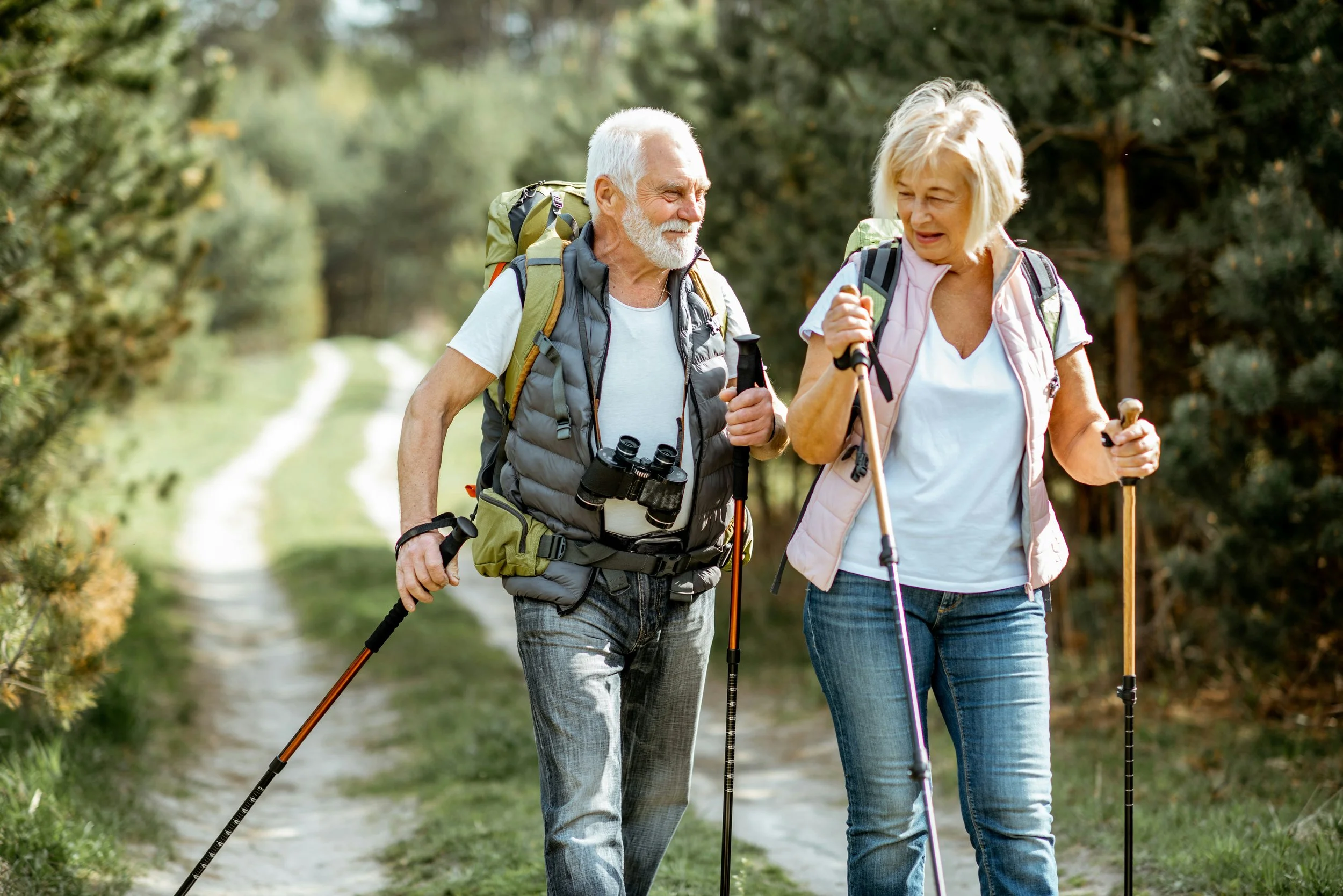
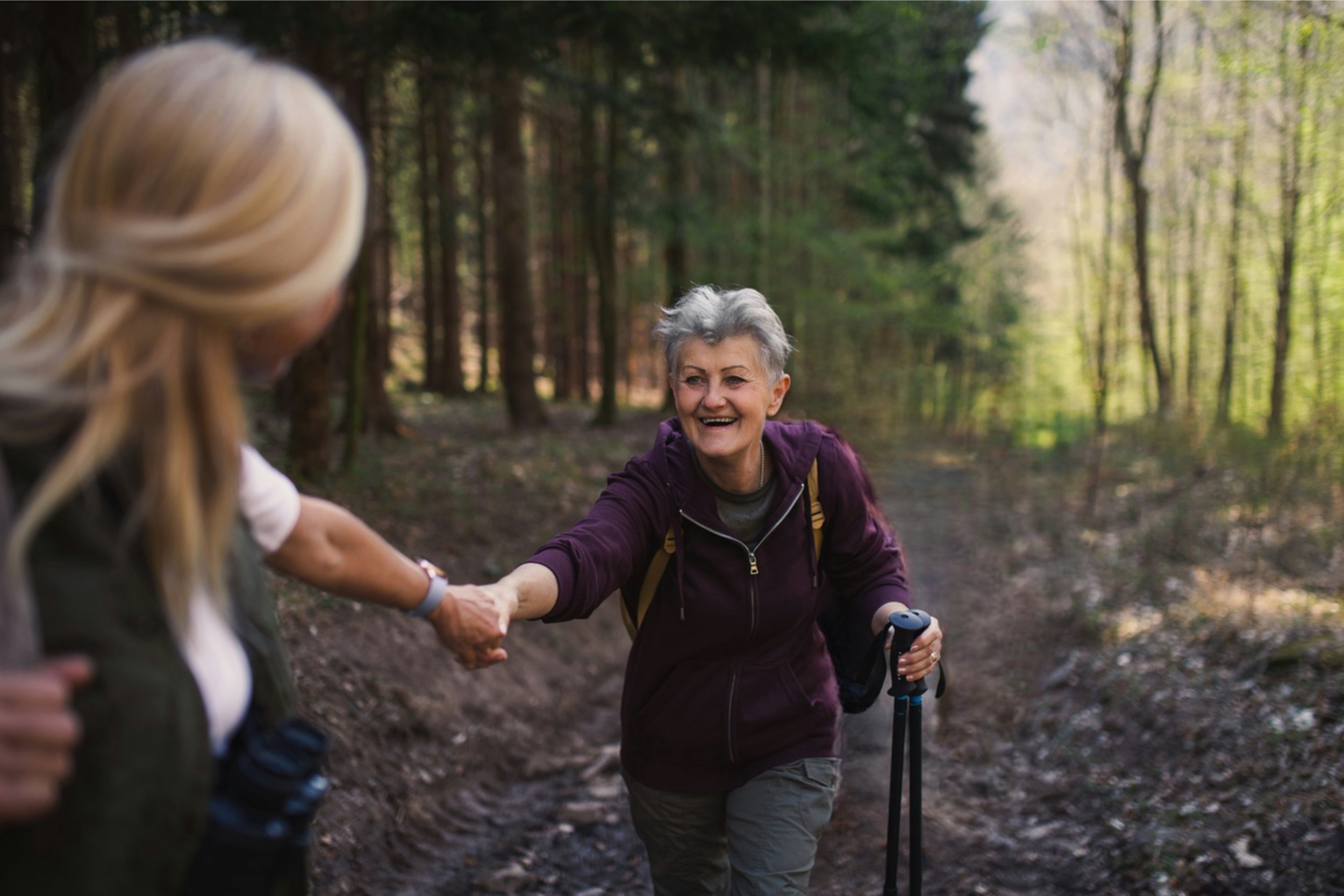
A physical therapist will guide you on a trail that is suited for your ability level and goals. The PT may provide hands-on assistance for balance, and verbal coaching related to walking patterns. You may be encouraged to use hiking poles, an all-terrain walker, or other equipment available, in order to assist with balance. The therapist may carry a portable chair to allow rest breaks. Allow nature to boost your mood and improve your recovery!
-
Hiking times may vary based on your goals and skills, but are typically 1-2 hours. Hiking may be combined with other activities. For example: hike 20 minutes to a viewpoint, do 20 minutes of yoga or strength training, then hike 20 minutes to return to the starting point. An estimated duration will be agreed upon prior to meeting.
-
Treehab services are $50/hour for all activities and programs.
Our rate accounts for the quality training and expertise of your guide, and the individualized care provided to promote your safety and progress toward your goals.

Outdoor Yoga
-
A certified yoga teacher will guide you through a series of movements and breathing exercises to promote awareness and coordination of your body, while also being mindful of the elements of nature and the restorative effect on the nervous system. This may include standing, kneeling, or sitting in a chair, and will be developed based on your abilities and goals. Other strategies may be used to modify the movements such as leaning on a chair, supportive blocks, or nearby trees.
-
Yoga times may vary based on your goals, but are typically 30-60 minutes. Yoga may be combined with other activities. For example: hike 30 minutes round-trip, then cool down with 30 minutes of yoga. An estimated duration will be agreed upon prior to meeting.
-
Treehab services are $50/hour for all activities and programs.
Our rate accounts for the quality training and expertise of your guide, and the individualized care provided to promote your safety and progress toward your goals.
Balance Training
-
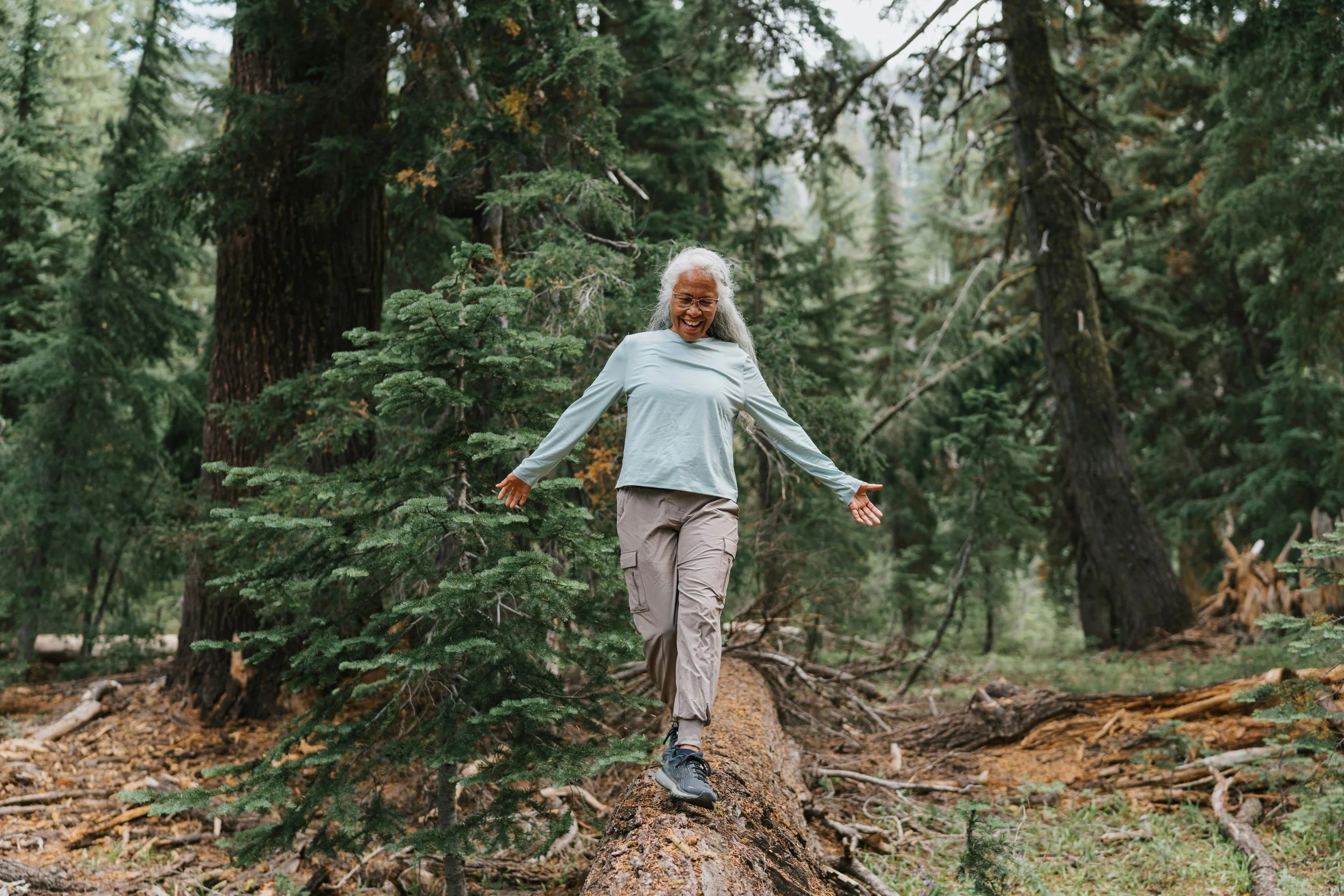
A physical therapist will lead you through a series of exercises designed to be challenging for balance, such as backwards walking and stepping over obstacles. This can promote improved stability while walking and reduce your risk of falls. Your PT may provide close guarding and hands-on assistance to keep you steady while you practice. This training typically takes place in an open outdoor area with an uneven grassy surface. Portable chairs may be available for rest breaks as needed.
-
Balance training sessions may vary based on your goals, but are typically 30 minutes and are paired with another activity to total a 1-2 hour session. For example: 30 minutes of balance training, followed by 30 minutes of strength training. An estimated duration will be agreed upon prior to meeting.
-
Treehab services are $50/hour for all activities and programs.
Our rate accounts for the quality training and expertise of your guide, and the individualized care provided to promote your safety and progress toward your goals.

Strength Training
-
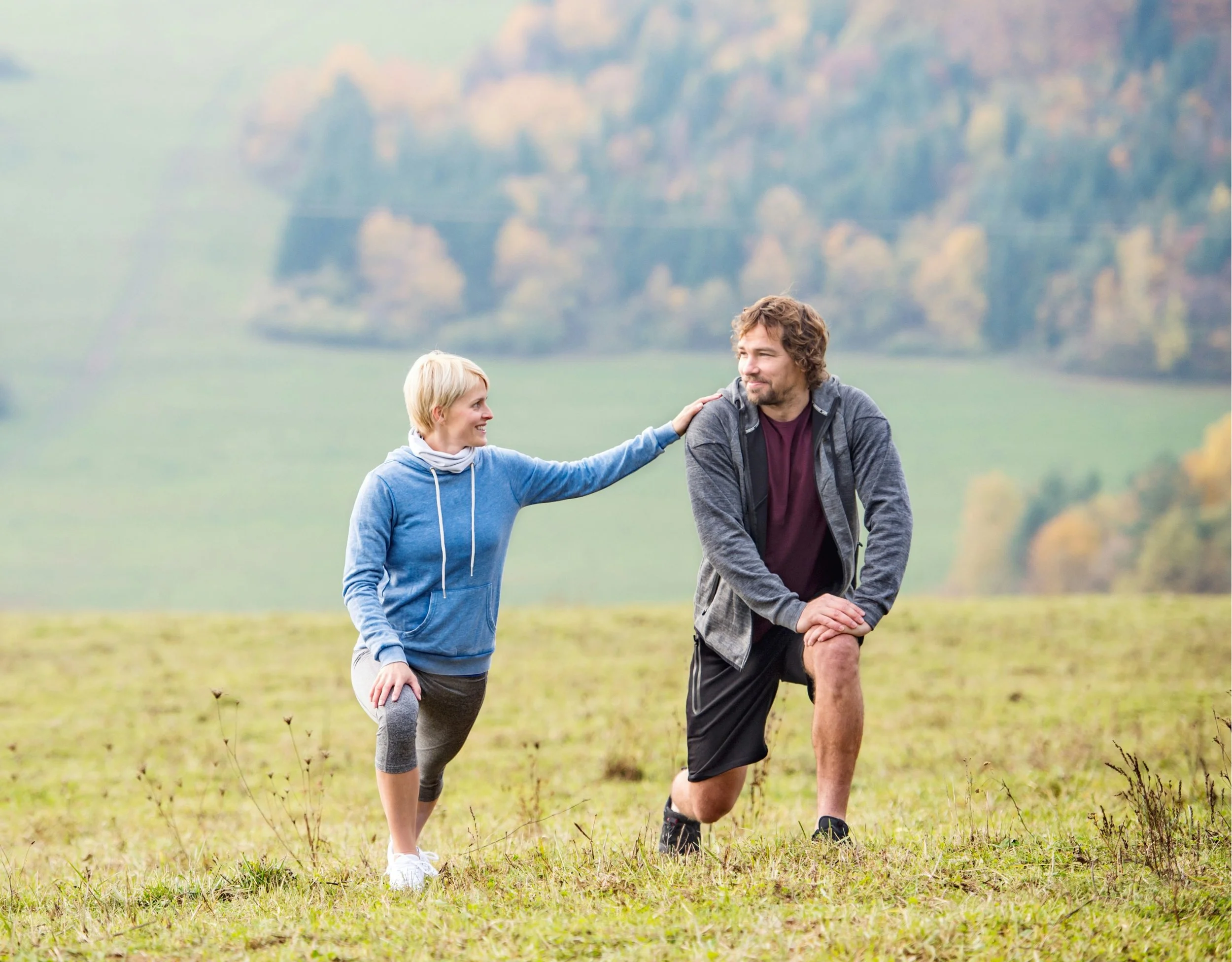
A physical therapist will lead you through a series of exercises designed to build strength, such as squats, arm weights, core strength, and circuit training for whole body fitness. Strength training supports a variety of goals like climbing stairs, getting on and off of the floor, carrying groceries, and supporting sore joints. Allow nature to make exercise more enjoyable while appreciating the surrounding environment and breathing in fresh air.
-
Strength training sessions may vary based on your goals, but are typically 30 minutes and are paired with another activity to total a 1-2 hour session. For example: 30 minutes of strength training, followed by 30 minutes of yoga or hiking. An estimated duration will be agreed upon prior to meeting.
-
Treehab services are $50/hour for all activities and programs.
Our rate accounts for the quality training and expertise of your guide, and the individualized care provided to promote your safety and progress toward your goals.
We can help you choose a program with the combination of activities that interest you!
Choose a Program
Physical Therapy
Emphasis on a developed program with goals
Ongoing evaluation of balance and strength
Includes strengthening, and balance drills
Recreation
Emphasis on outdoor enjoyment and fitness
Excludes formal evaluation or assessment
Choose from hiking, yoga, & outdoor hobbies
Which program is right for me?
Physical Therapy
Recreation
Provides physical assistance or guarding

Adaptive equipment available for use
May include hiking on trails or paved paths
May include guided outdoor yoga
Formal balance training

Formal strengthening exercises
Option for custom hobbies (fishing, gardening, golfing)
Detailed evaluation of balance and walking patterns
Includes a treatment plan for specific goals
Unstructured fitness and outdoor enjoyment
Individual (private) sessions
Price per hour
$50
$50
Please note that clients who receive Medicare coverage are not eligible to participate in the Physical Therapy program because of restrictions that conflict with our direct payment model. Instead, these clients are encouraged to choose the Recreation program, which is not a covered service under Medicare, making it eligible for participation, but still not financially reimbursed. Please feel comfortable to reach out to us with questions regarding your circumstance.
Optional Equipment We Provide
-
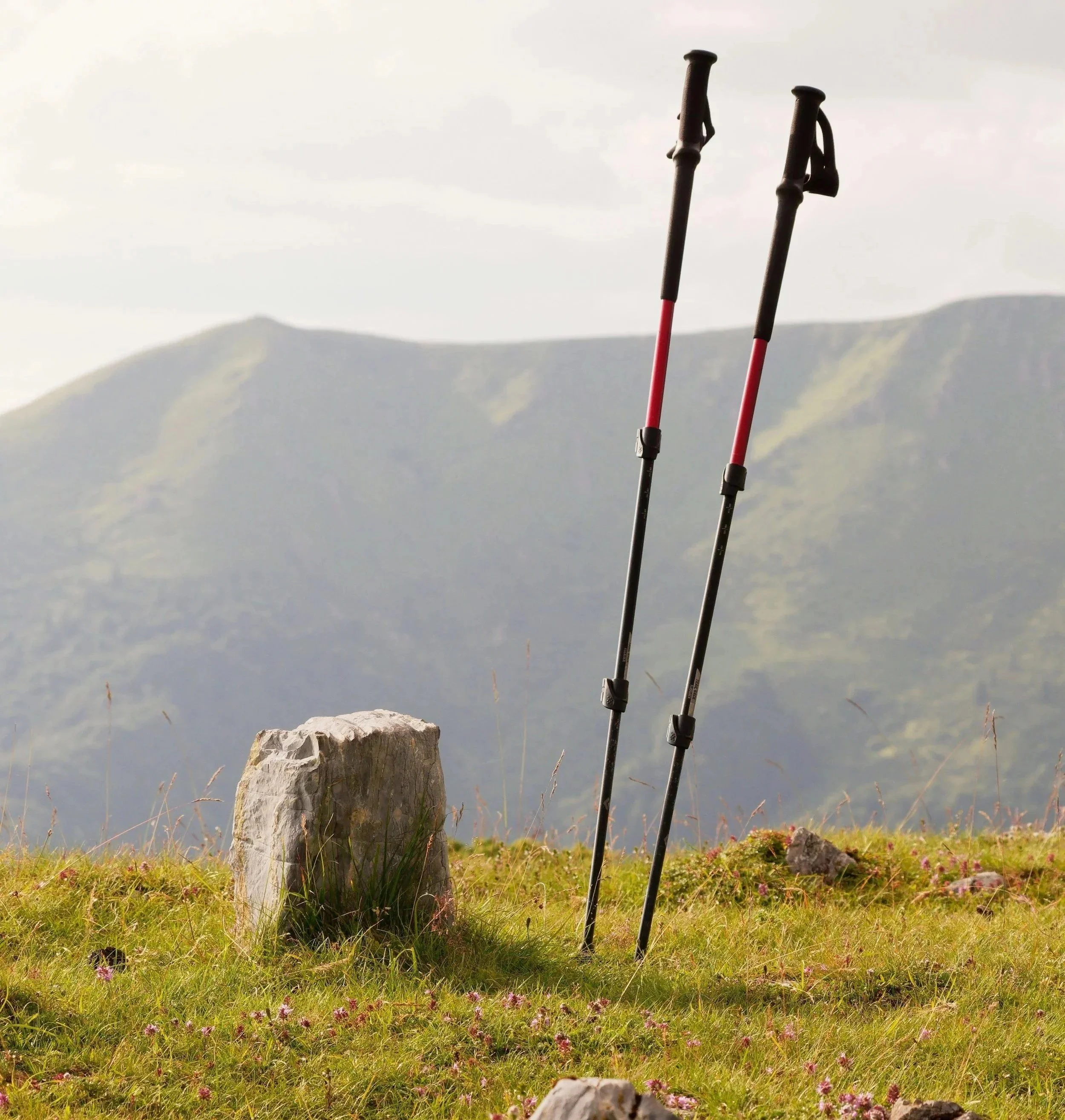
Hiking Poles
Allow contact with the ground to help maintain balance and reduce leg strain
-
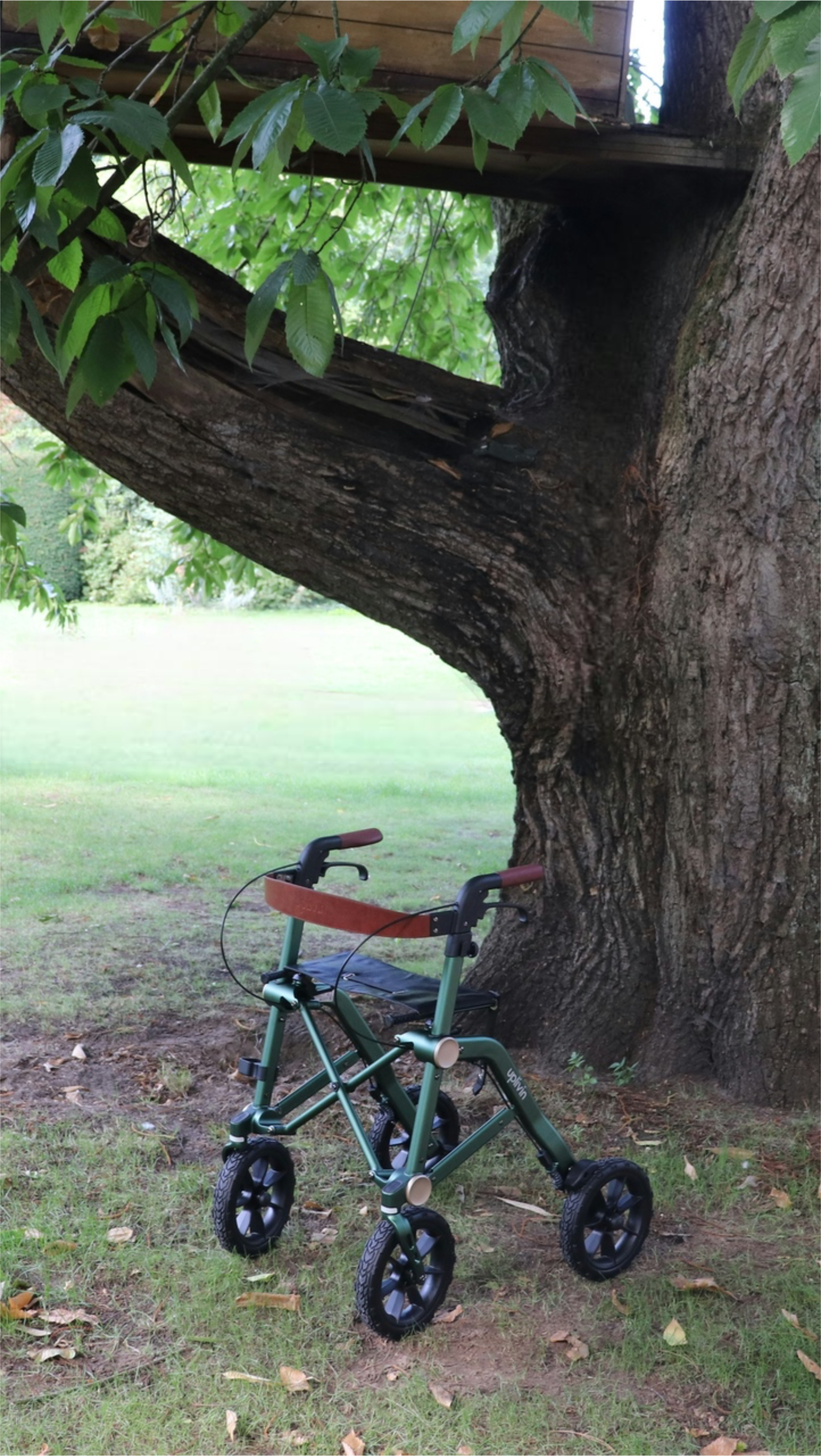
All-Terrain Walkers
Offer increased support for maintaining balance and stability
-
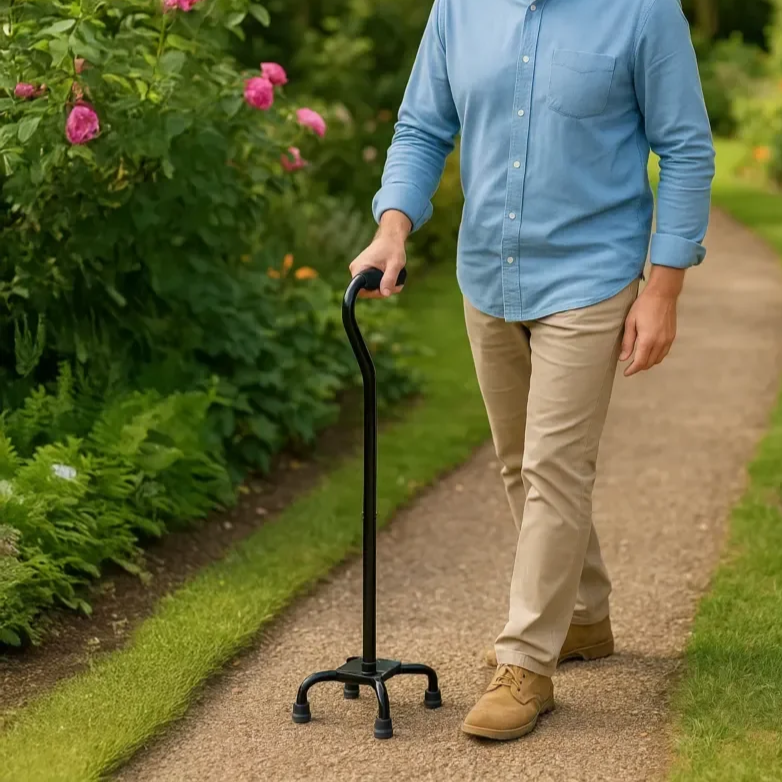
Canes
May include 1-point, 3-point, or 4-point styles for variable support
-
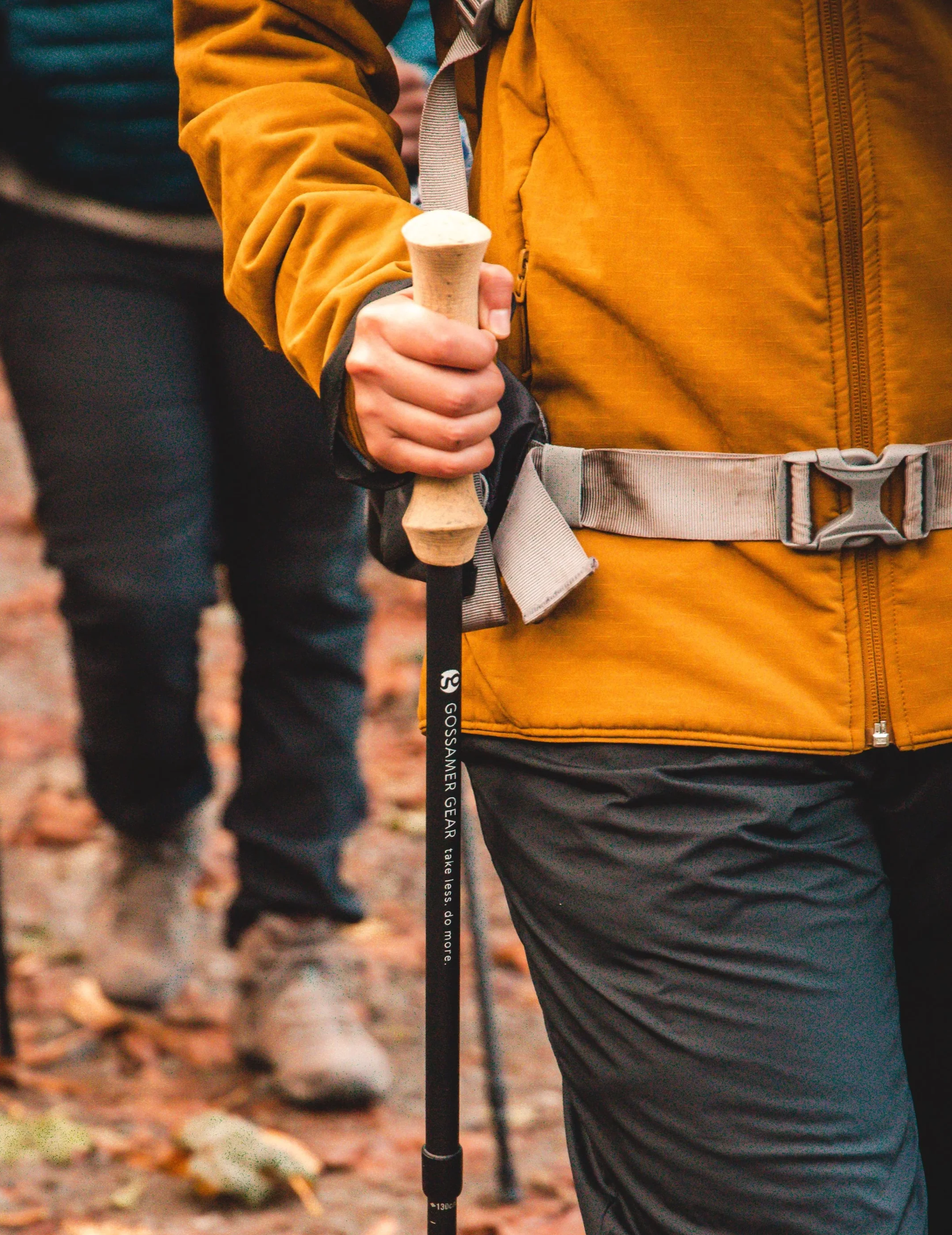
Gait Belts
Allow your guide to assist you with balance and reduce risk of falls
-
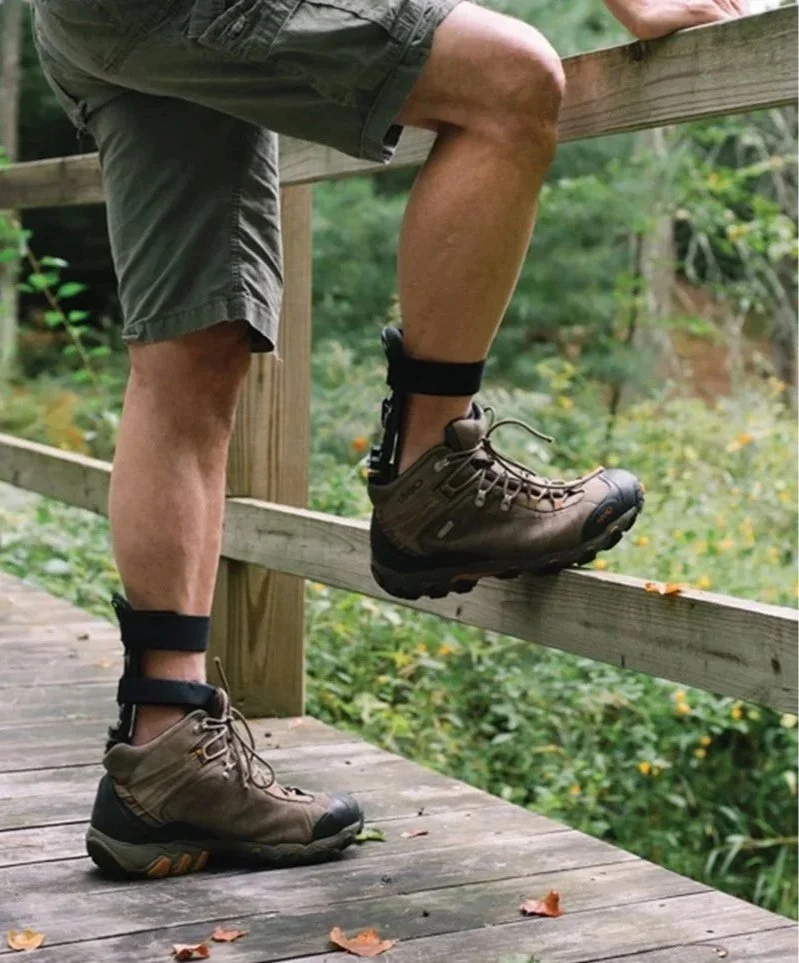
Braces & Orthotics
Promote alignment and support of knee and ankle joints
-
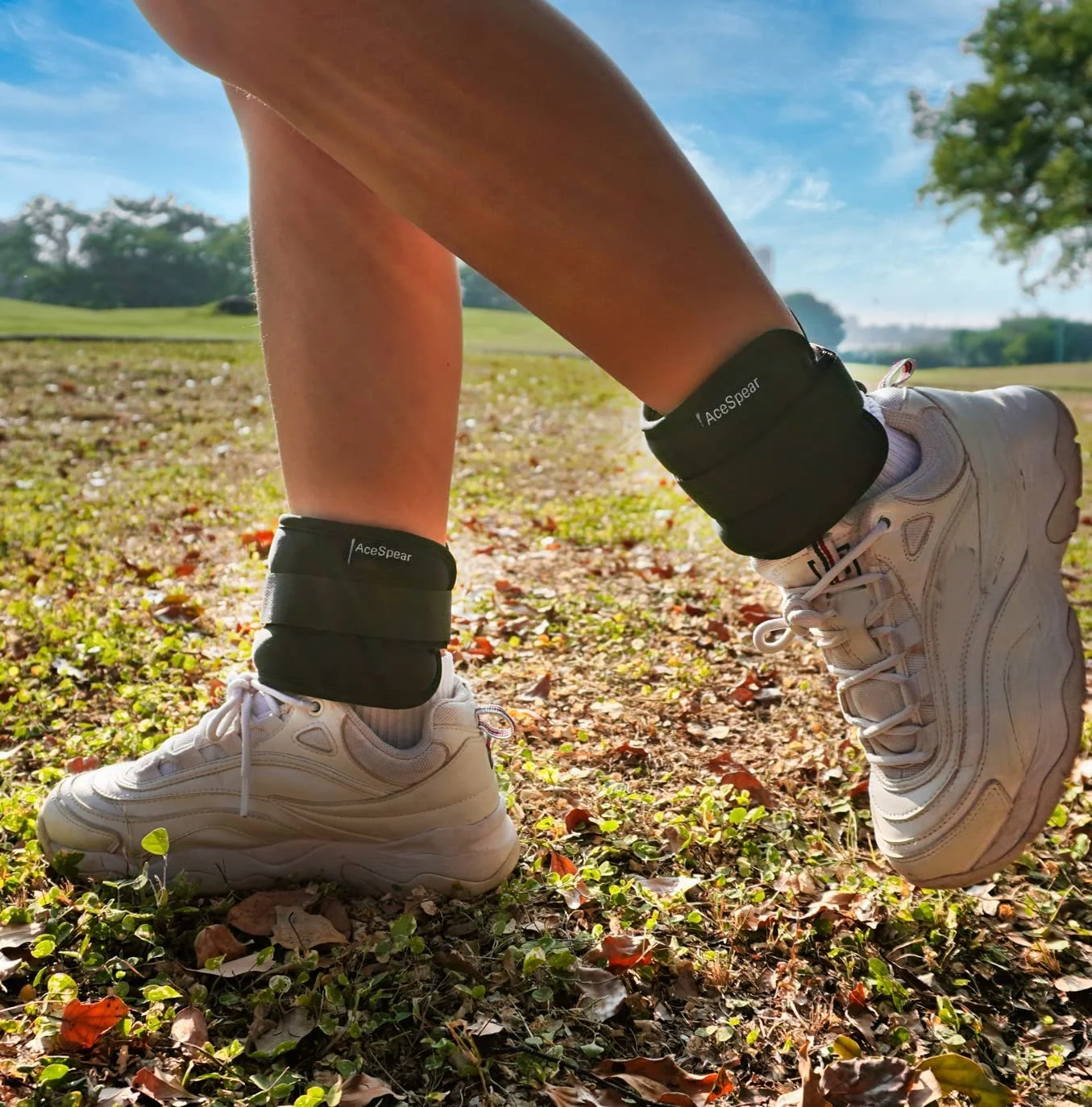
Ankle Weights
Promote activation, strength, and coordination of the legs
-
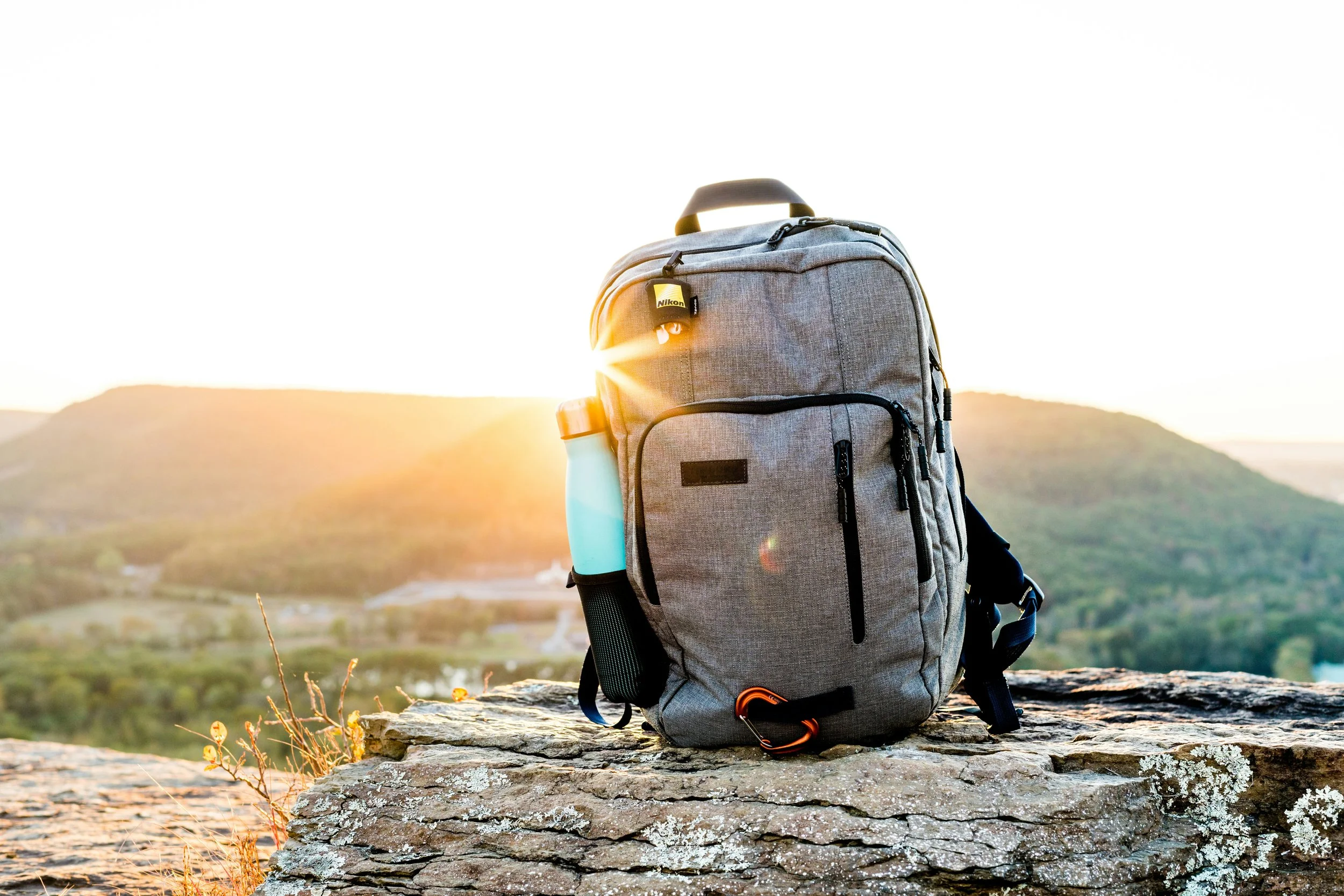
Backpacks and Waistpacks
Store essential items you may need on trail, such as water and sunscreen
-
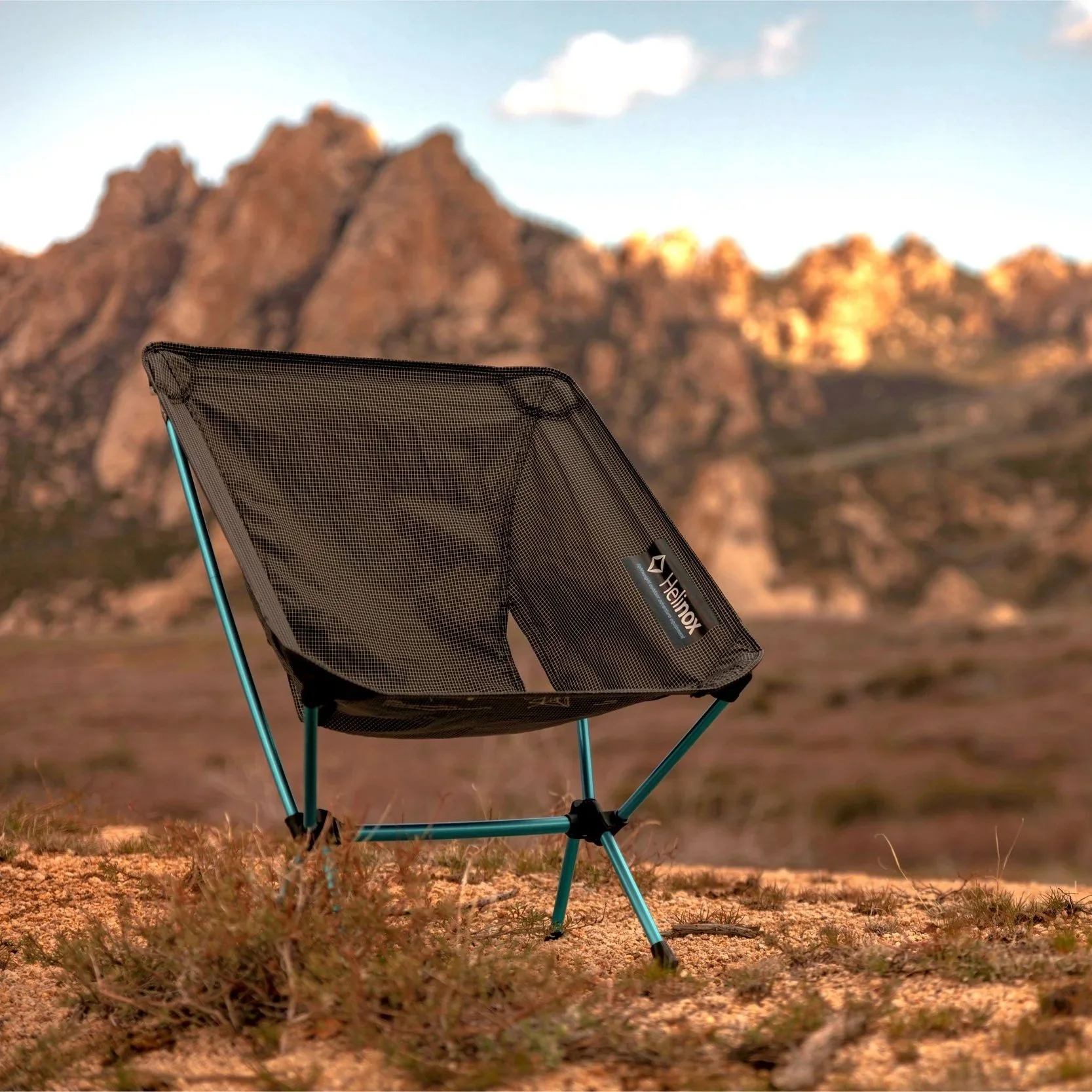
Folding Chairs
Your guide may carry a portable chair to allow for seated rest breaks as needed
-

Heated Jackets
Battery-powered jackets help to maintain body heat in the cold
-
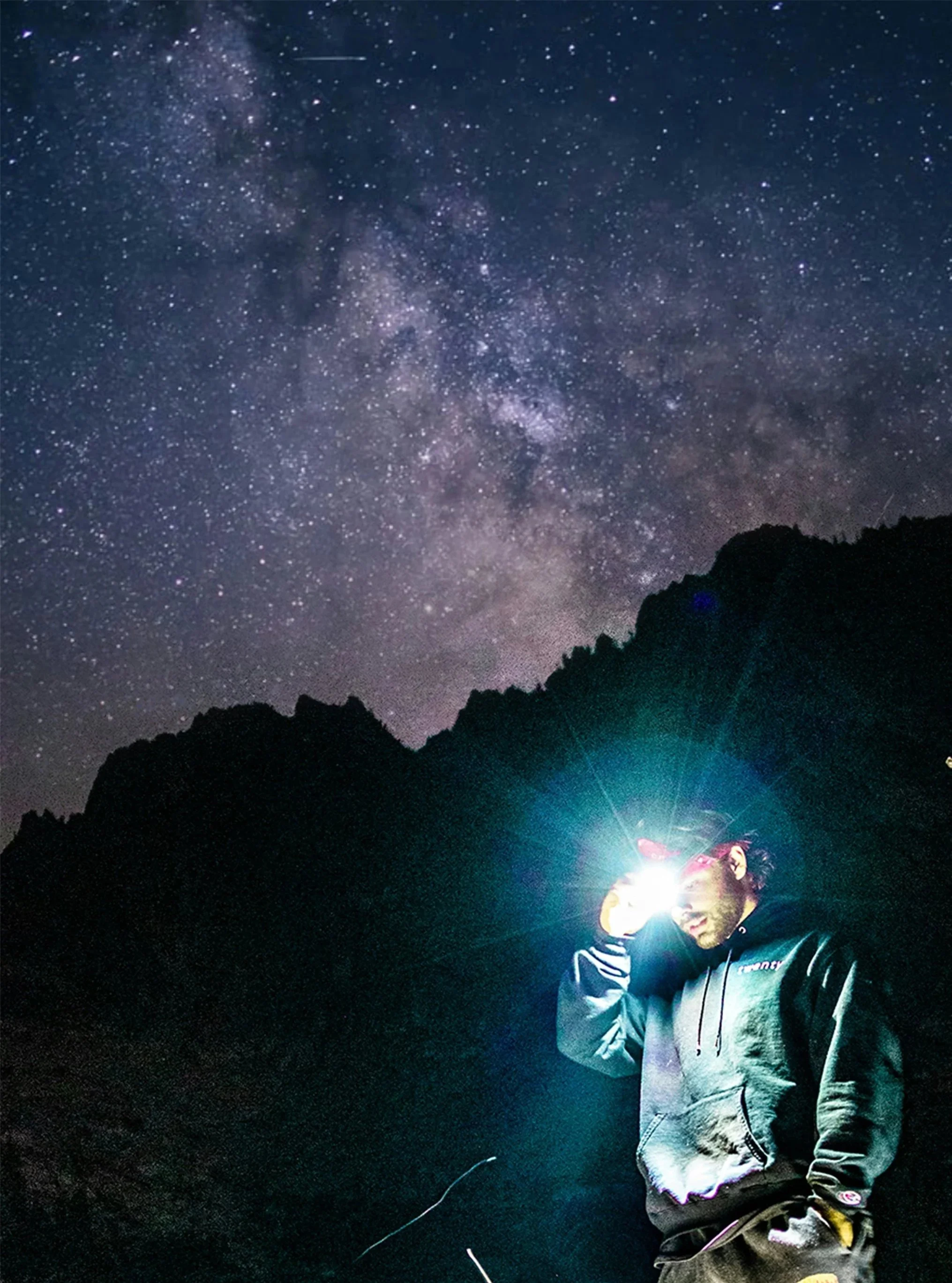
Headlamps
Handsfree flashlights illuminate paths in early mornings and as dusk approaches
-
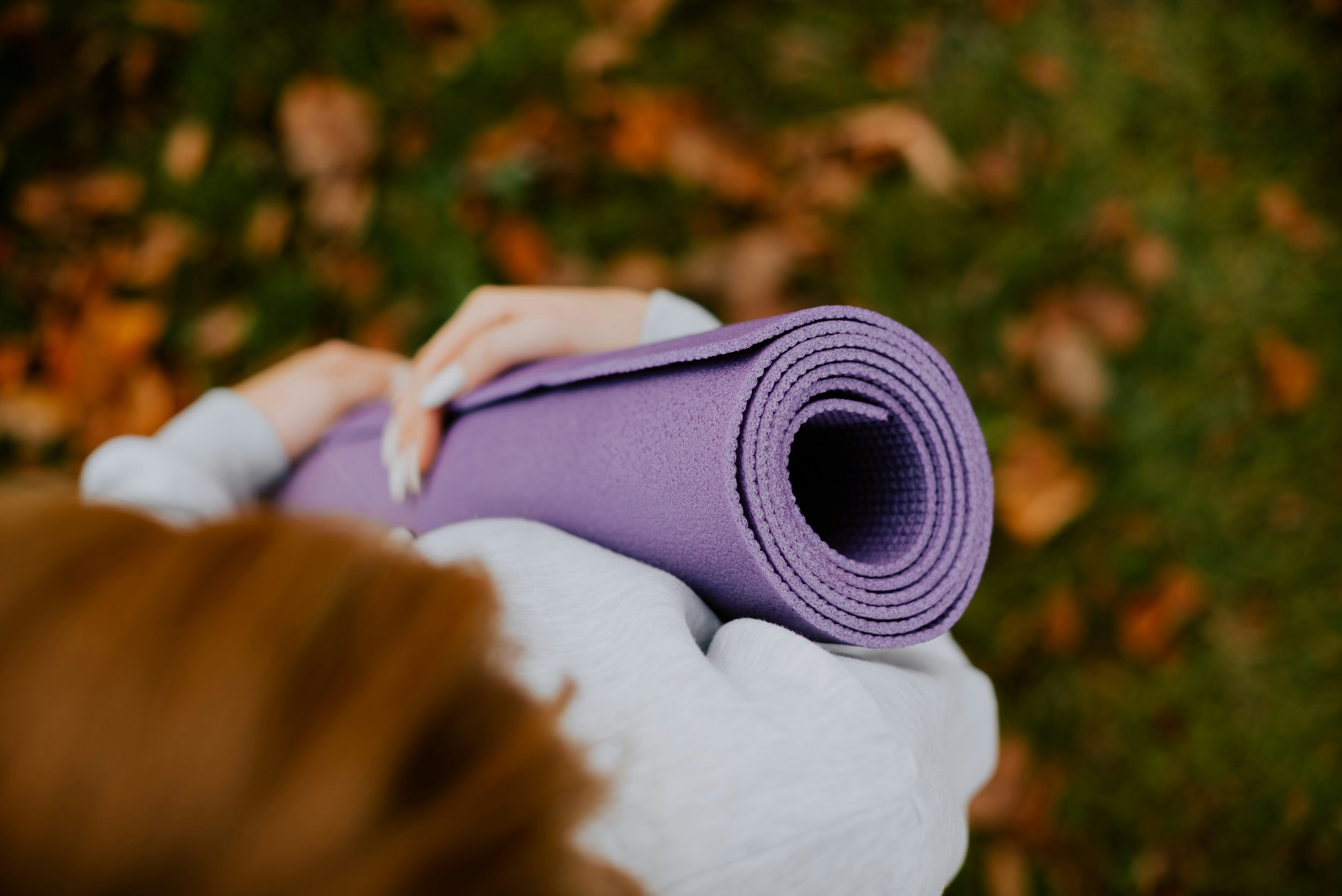
Yoga Mats
Provide cushioning while kneeling or sitting on the ground
-
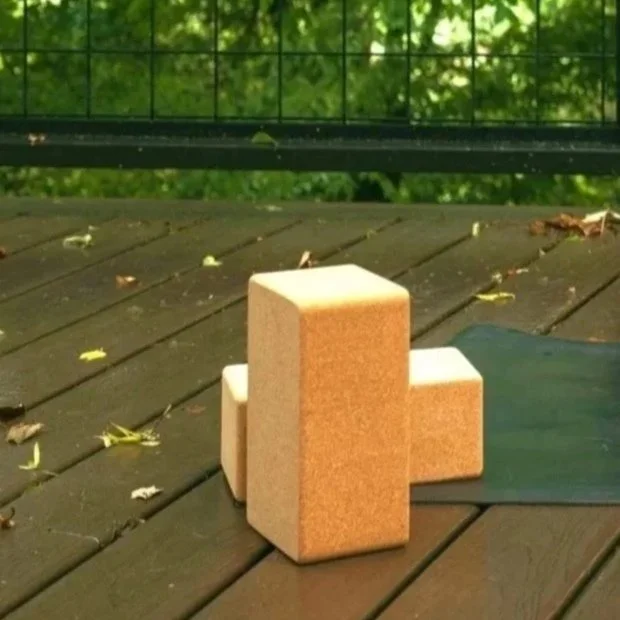
Yoga Blocks
Offer balance support and promote body positioning in some yoga postures
Common Conditions We Treat
Generalized Weakness
Generalized weakness refers to a decrease in muscle strength. A variety of underlying conditions may contribute to weakness and deconditioning. A strengthening program provides exercises that promote improved functional ability, endurance, and activity tolerance.
Arthritis
Arthritis is a chronic condition that may cause joint inflammation, stiffness, and pain. This may involve a deterioration of cartilage along joint surfaces which can lead to reduced mobility. An exercise program may target strengthening of the muscles that support the joints, and range of motion to restore mobility.
Parkinson’s Disease
Parkinson’s is a movement disorder that may cause stiffness, slowed movement, balance difficulty, and impaired coordination. Guided balance training and walking may improve quality and confidence of movement, restoring function and reducing the risk of falls.
Strokes
Strokes occur from vascular injuries to the brain, such as a clot or brain bleed, which can impair activation of muscles in the limbs, as well as balance and communication. People with stroke have potential to make progress whether it has been a few months or several years.
Brain Injuries & Concussions
Traumatic brain injuries and concussions occur from external impact or forces. Often this involves swelling or damage to brain tissue, which can result in weakness, impaired balance/coordination, and changes to vision and concentration.
Amputees
People with limb loss and new prosthetic devices may benefit from training to promote balance and confidence with their new artificial limb. Outdoor environments provide variable surfaces for walking practice and potential to transition from the use of a walking aid.